In short
According to the 2025 Police Crime Statistics, the clearance rate for bicycle theft is only about 11%—but you can actively improve your chances: file a report with the frame number, systematically search classified ad sites, and check lost-and-found offices and flea markets. And if you spot your bike: don’t try to retrieve it yourself—call the police instead, with proof of ownership in hand.
First, the bad news: Of the approximately 214,000 reported bicycle thefts in 2025, only about one in nine was solved (source: 2025 Police Crime Statistics). The good news: This statistic represents the average—and the average doesn’t go looking. If you combine the frame number, a police report, and a few search routines, you’re in a different league than the many people who never registered their bike and never reported the theft.
Step One: Filing a Report – Your Bike Must Be Officially Reported Stolen
Unless you file a report, the theft doesn’t exist in the eyes of the authorities. Only after you file a report will your bike—via its frame number—be added to the police database. If it turns up during a routine check, a sale, or a raid, it can only be traced back to you if the frame number is recorded. That’s exactly why the frame number is key: without it, your bike is just one of millions. Our guide “Find & Check Your Frame Number” shows you where to find it and how to read it—and you’ll find the complete first-aid checklist in “Bike Stolen—What to Do?”
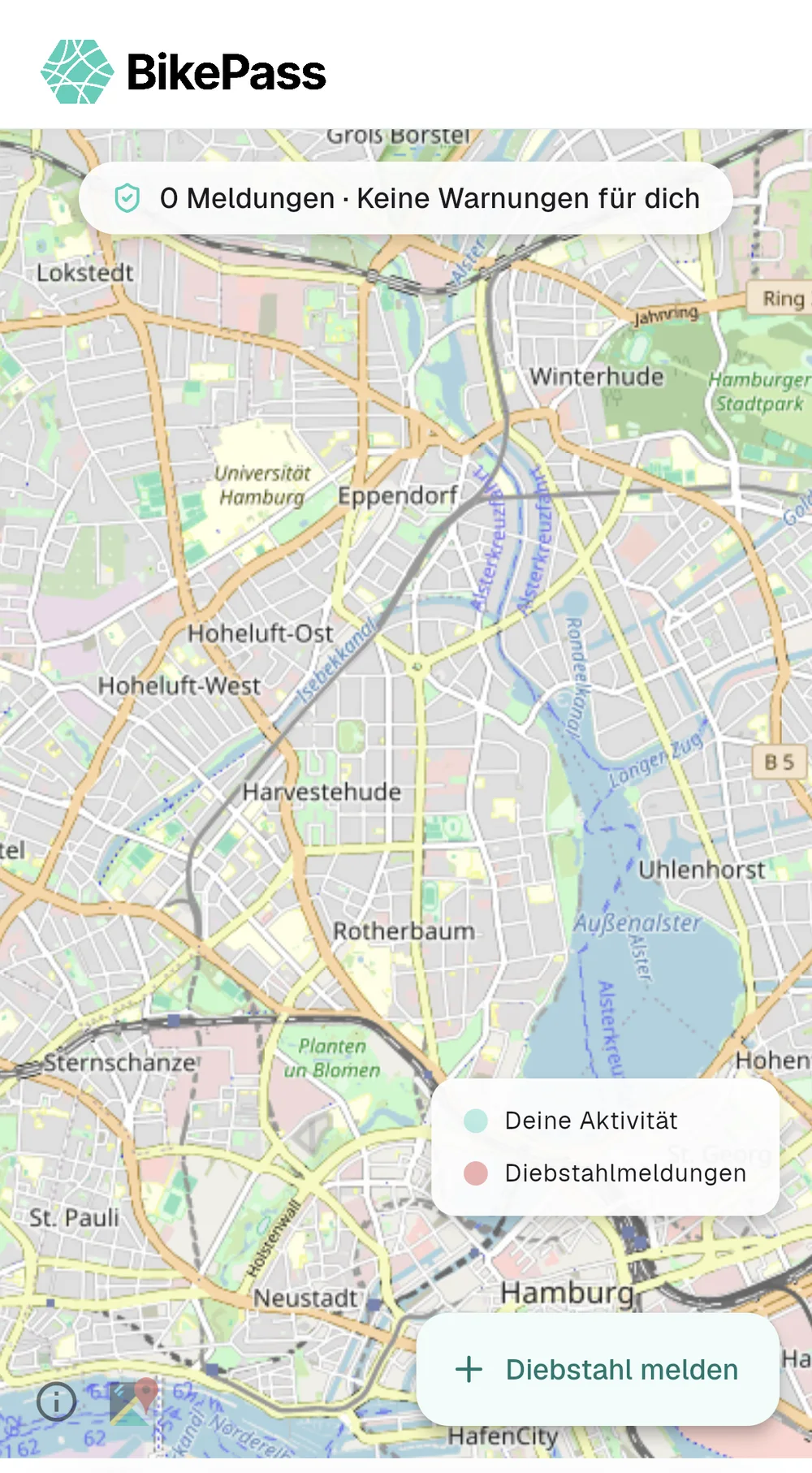
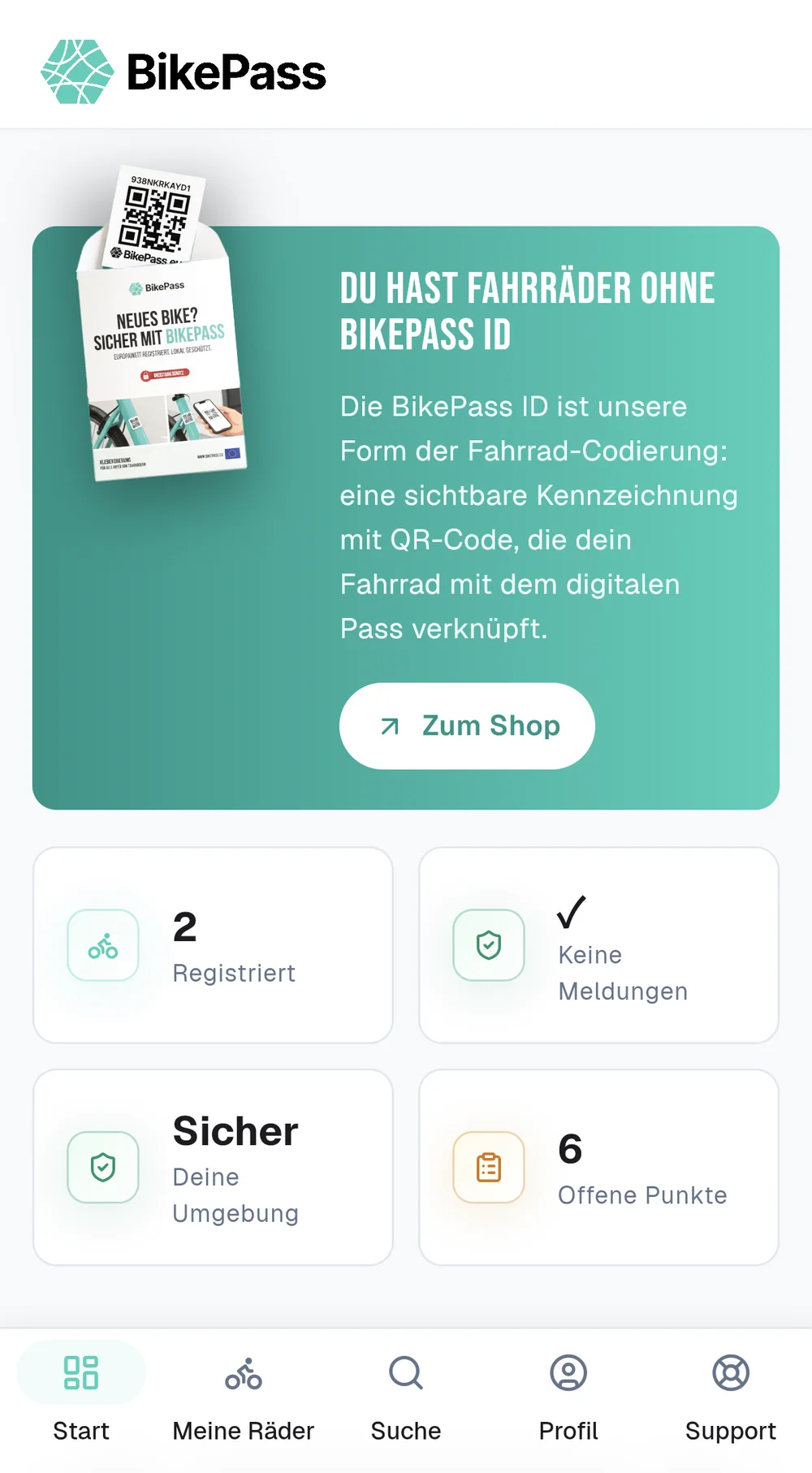
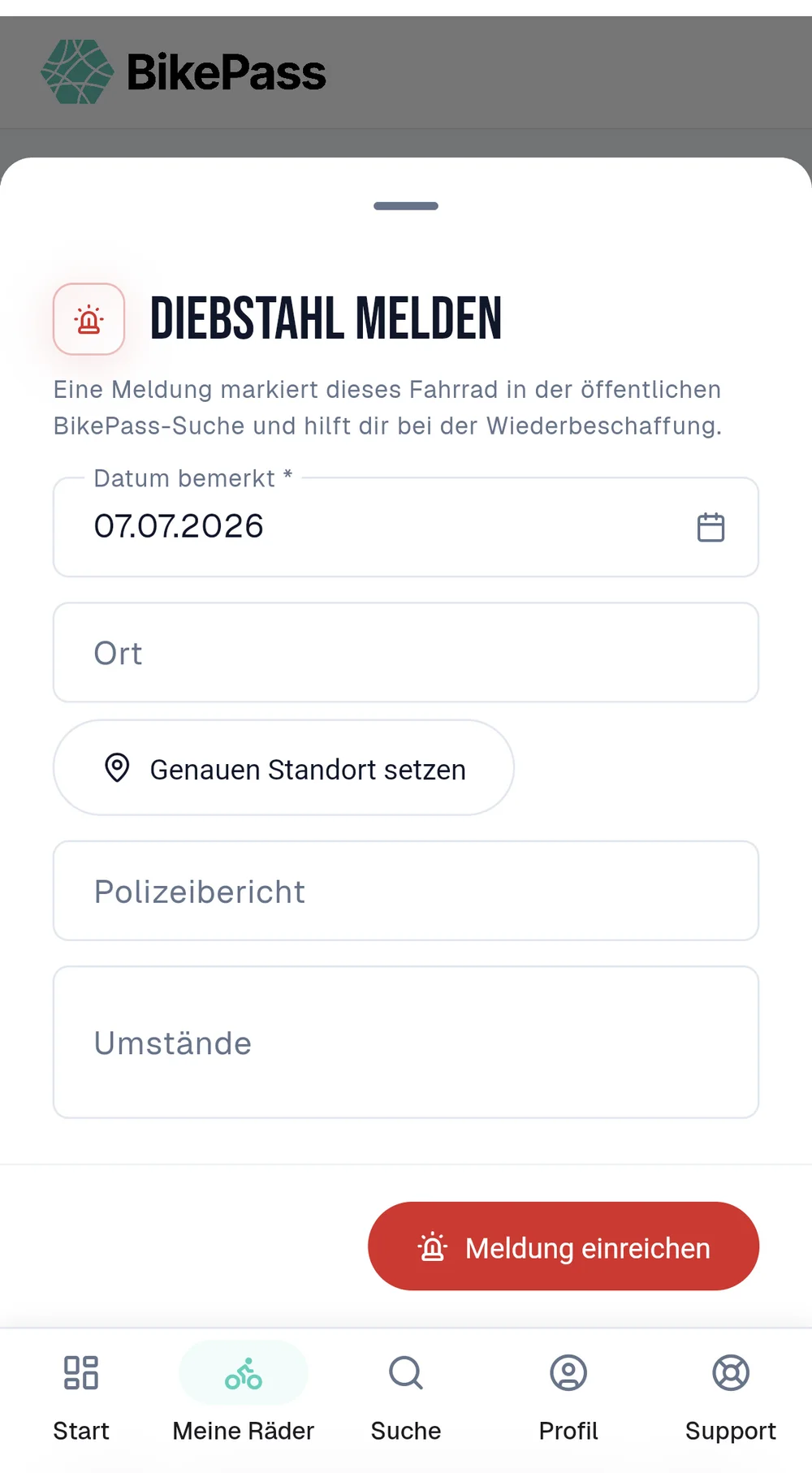
Tip: Use the BikePass app to report your bike as stolen—the ID will be visible to authorities, anyone who finds it can contact you anonymously, and your digital proof of ownership will be available to the police and your insurance company.
Systematically Search Classified Ads & Marketplace Sites
Many stolen bikes reappear online within a few days—often slightly modified, in a neighboring town, and at suspiciously low prices. Here’s how to search systematically instead of getting frustrated:
- Save search queries: Set up search alerts on the major classifieds sites for make + model—including typos and color variations—and within a radius of 50 to 100 km.
- Time beats luck: Check daily for the first two weeks, then every other day. New listings are your best bet.
- Suspect something? Don't message them like a buyer out for revenge. Take screenshots of the listing, the price, and the seller's profile; write down the listing URL—and forward everything to the police along with your case number.
Flea Markets, Lost and Found Offices, and Real Life
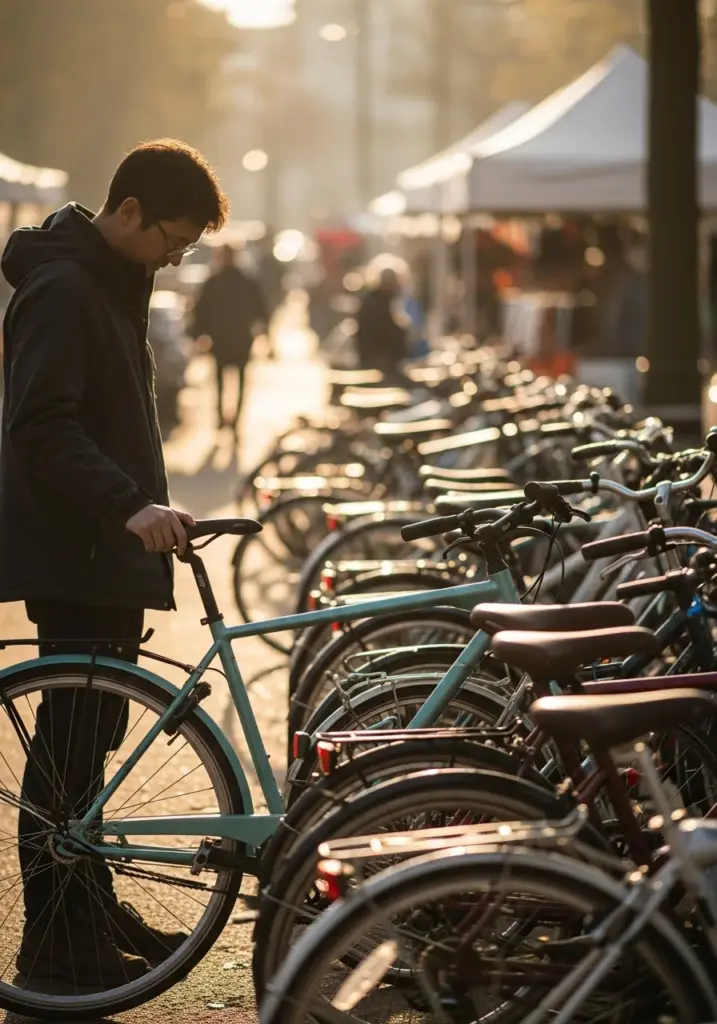
Not every bike ends up online. Check with your city’s lost and found office (many have online search tools)—stolen bikes that are later abandoned often end up there. Stop by flea markets and used bike shops, especially in the first few weeks. And don’t underestimate your neighborhood: Many bikes are left just a few streets away as soon as the thief realizes it’s not worth trying to sell them quickly.
GPS, AirTag, and the like—if you've taken precautions
If your bike has a GPS tracker or a Bluetooth tag, you have a real advantage: document the location (screenshots with timestamps) and notify the police immediately —experience shows that with live tracking, they’ll respond much faster. For e-bikes, it’s worth checking the manufacturer’s app: some systems offer tracking or locking features. It’s also important to remember: Tracking leads you to the bike—you won’t be able to retrieve it yourself.
You've found your bike—now what?
The most important piece of advice in this entire article: Don't take it back on your own. Even if it feels wrong—you could make the situation worse, and if there's any doubt, you could end up being treated as a suspected thief yourself as long as the ownership issue remains unresolved. Instead:
- Call the police (110 if the incident is recent; otherwise, call your local police station) and provide your case number.
- Stay nearby without putting yourself in danger, and document the situation: take a photo of the bike, the location, and the time.
- Have your proof of ownership ready—frame number, receipt, photos, or your digital BikePass. Right at that moment, he’ll decide whether you can take your bike with you.
Your "Find It Again" Checklist
- Report filed with the frame number; case number noted
- Bike reported stolen in the BikePass app
- Search alerts set up on classifieds sites (radius + typos)
- Checked with the Lost and Found Office, keeping an eye on flea markets
- Tracker location recorded (if available)
- If found: Call the police, have proof of ownership ready—do not attempt to retrieve the item yourself
We write about bicycle theft, anti-theft coding, and digital theft protection—in a practical way, without scaremongering, and with concrete steps you can take.
View all guides →