In short
For e-bikes, the same steps apply as for regular bicycles—plus three specific considerations: tracking via the manufacturer’s systems or trackers, the registration form must also include the battery and motor numbers, and the higher value makes the insurance issue more important.
In 2025, victims nationwide reported approximately 214,000 bicycle thefts—a 13% decrease from the previous year; of these, only about one in nine cases was solved (clearance rate of approximately 11%, source: 2025 Police Crime Statistics). With an e-bike, the frustration over the theft is usually compounded by a significantly higher monetary value. What matters now differs from a traditional bicycle in only three ways—but these are important.
Locate immediately, if possible
If your e-bike is missing, the first question is: Can you track it? Many manufacturers now offer app-based tracking or locking features for their drive systems. Open the app for your drive system and check whether such a feature is available and enabled for your model. If it shows a location, make a note of it along with the time—a screenshot will do.
If a separate GPS tracker was also installed, the same applies: Record the location and time before you take any action. Also note how long the location has remained unchanged—this helps the police determine whether it’s worth responding immediately.
The most important thing to remember: Do not go to the location shown on your own to retrieve your bike. You don’t know who might be there or what the situation is like on the ground—in the worst-case scenario, you could end up in a dangerous confrontation, and legally speaking, as a private citizen, you’re on the safe side anyway if you leave it to the police to handle. Instead, report the location to the police when filing a report or by phone, and let the officers take care of it.
List showing all numbers
When reporting a theft, there’s more to consider with e-bikes than with traditional bicycles: You don’t just have a frame number, but several unique identifiers. If possible, provide the police with all of them:
- Frame number – usually stamped on the bottom bracket shell or the rear triangle.
- Battery number – printed or laser-engraved on the battery itself.
- Engine number – located on the mid-engine or drive housing.
The more unique numbers there are on the label, the easier it will be to identify your e-bike without a doubt during an inspection, at a specialty store, or when reselling it—even if the frame has long since been repainted or covered with other stickers. This is especially true for the battery and motor: These parts are often resold separately after theft because they’re virtually unrecognizable without the frame—but with the serial number recorded, they remain traceable nonetheless.
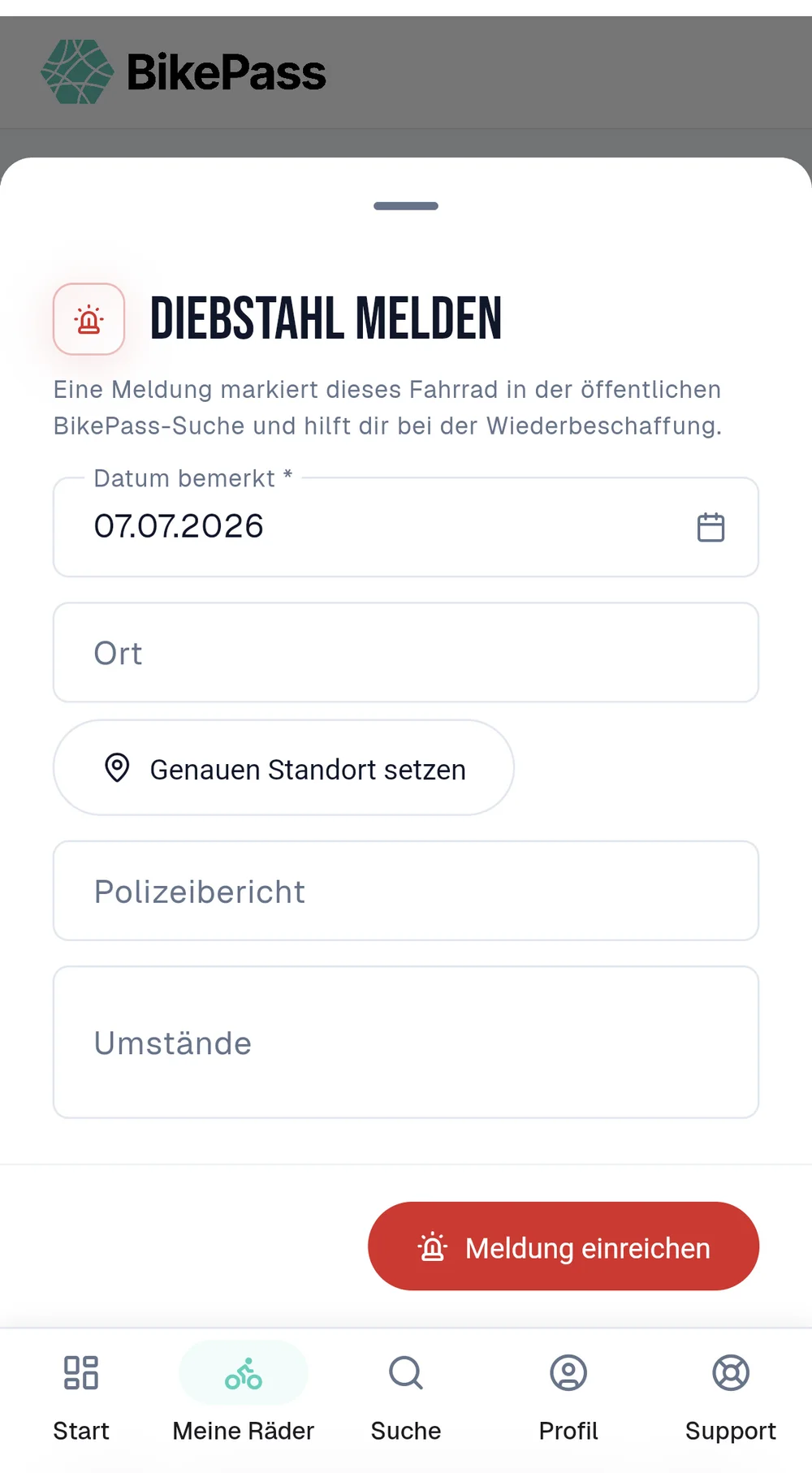
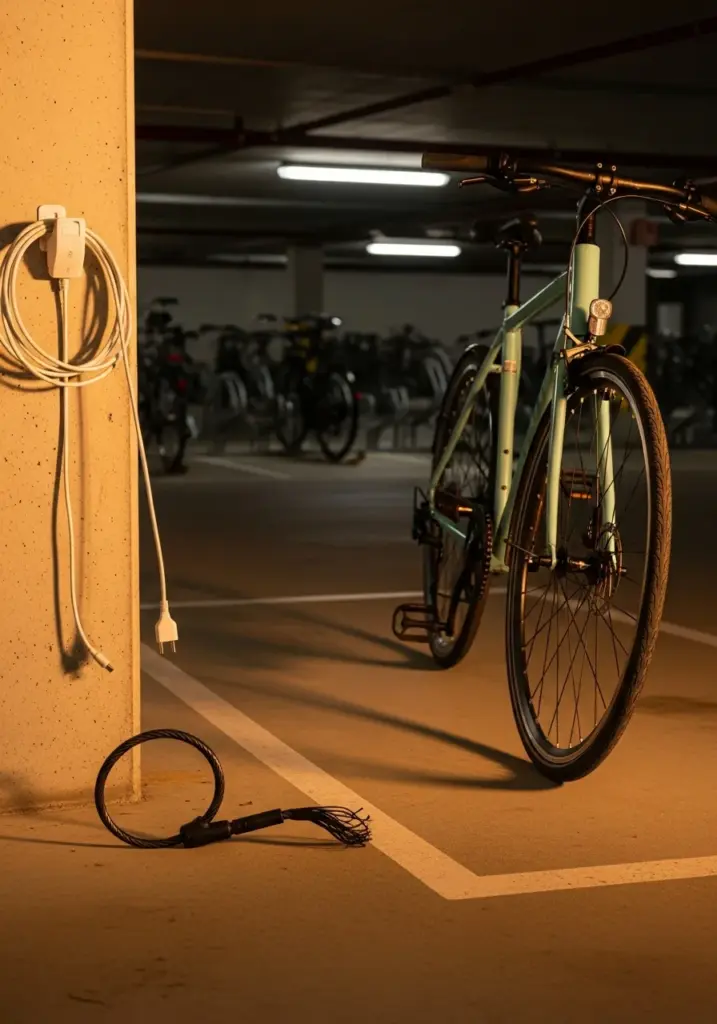
A note on classification: If a lock was broken, this is generally considered a particularly serious case of theft under Section 243 of the German Criminal Code (StGB)—be sure to include this in your report if there are visible signs of forced entry on the lock or at the parking location. Our guide “Reporting a Bicycle Theft” explains the reporting process and what information to include; “Find & Check the Frame Number” shows you exactly where to find the frame number.
Insurance: It's All About the Value
E-bikes often cost many times more than a traditional bicycle—and that’s exactly why the issue of insurance is so important. E-bikes are generally not automatically covered in full by standard home contents insurance: Coverage usually applies only if there’s a bicycle clause, and that’s typically capped at a certain percentage of the insured amount. With a high-end motor, this limit can quickly become insufficient. Whether your policy provides coverage—and to what extent—is specified exclusively in your policy terms and conditions—ideally, check this before something happens, not after.
Often, the battery and motor—as add-on components—are only covered to a limited extent, regardless of the frame. This, too, varies from provider to provider and should be on your checklist before you rely on a specific coverage plan.
Tip: Keep your proof of purchase, frame number, battery number, and motor number—as well as clear photos of your e-bike—within easy reach. In the event of a claim, every minute you don't spend searching counts.
We explain in detail what this means for you specifically—and what you should look out for in terms of policy provisions, coverage limits, and alternatives—in our guide “Home Contents Insurance for Bicycle Theft.” It’s especially worth taking a closer look if you own an e-bike: If the replacement value exceeds your coverage limit, you’ll be left with a gap in coverage that you’ll have to cover yourself in the event of a claim.
A Quick Overview of the Basic Steps
Aside from the three special features mentioned above, the basic steps for riding an e-bike are exactly the same as for any other bike:
- Record the location and time of the theft as accurately as possible—even approximate details are better than nothing.
- File a police report, preferably including all identification numbers and photos of your e-bike.
- Have your receipt and photos ready, unless you've already saved them digitally.
- Spread the word to those around you —neighbors, relevant social media groups, and local specialty retailers.
You can find the complete step-by-step guide for the first few hours in our quick guide , “My Bike Was Stolen—What Should I Do?” Simply add the steps for tracking your bike, the additional numbers to include in the police report, and the insurance information from this article to the instructions provided there.
Planning for Your Next E-Bike
Once your bike has been stolen, it’s time to prepare for the next one—and there’s plenty you can do in advance. Record the frame, battery, and motor numbers along with clear photos while you still have unrestricted access to your e-bike. In the event of a theft, this will save you the hassle of frantically searching for your receipt and allow you to immediately provide the police or your insurance company with reliable documentation.
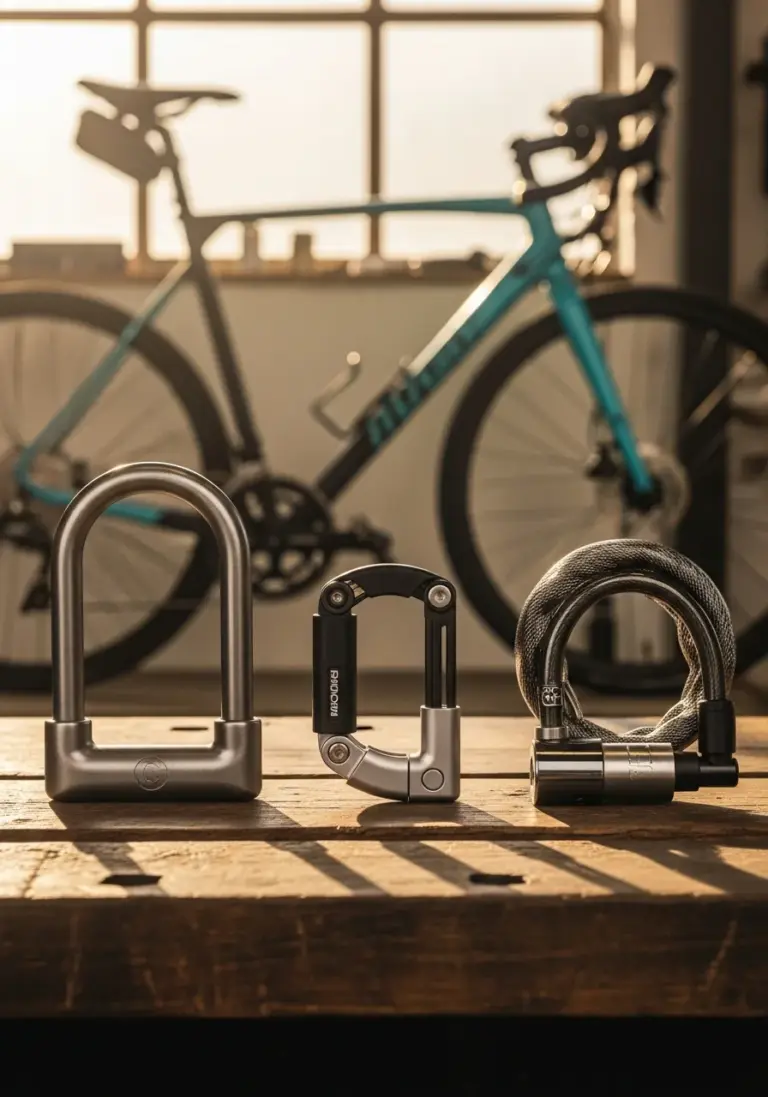
Also, disconnect the battery separately or take it with you if you’re only parking the bike for a short time—it’s often just as attractive to thieves as the bike itself. It’s also worth taking a closer look at the lock on an e-bike: As a rule of thumb, the lock should cost about 10% of the bike’s value—with a high-quality drive system, that can quickly add up to more than you might initially think. You can read more about theft protection specifically for e-bikes on our topic page, “E-Bike Theft Protection.”
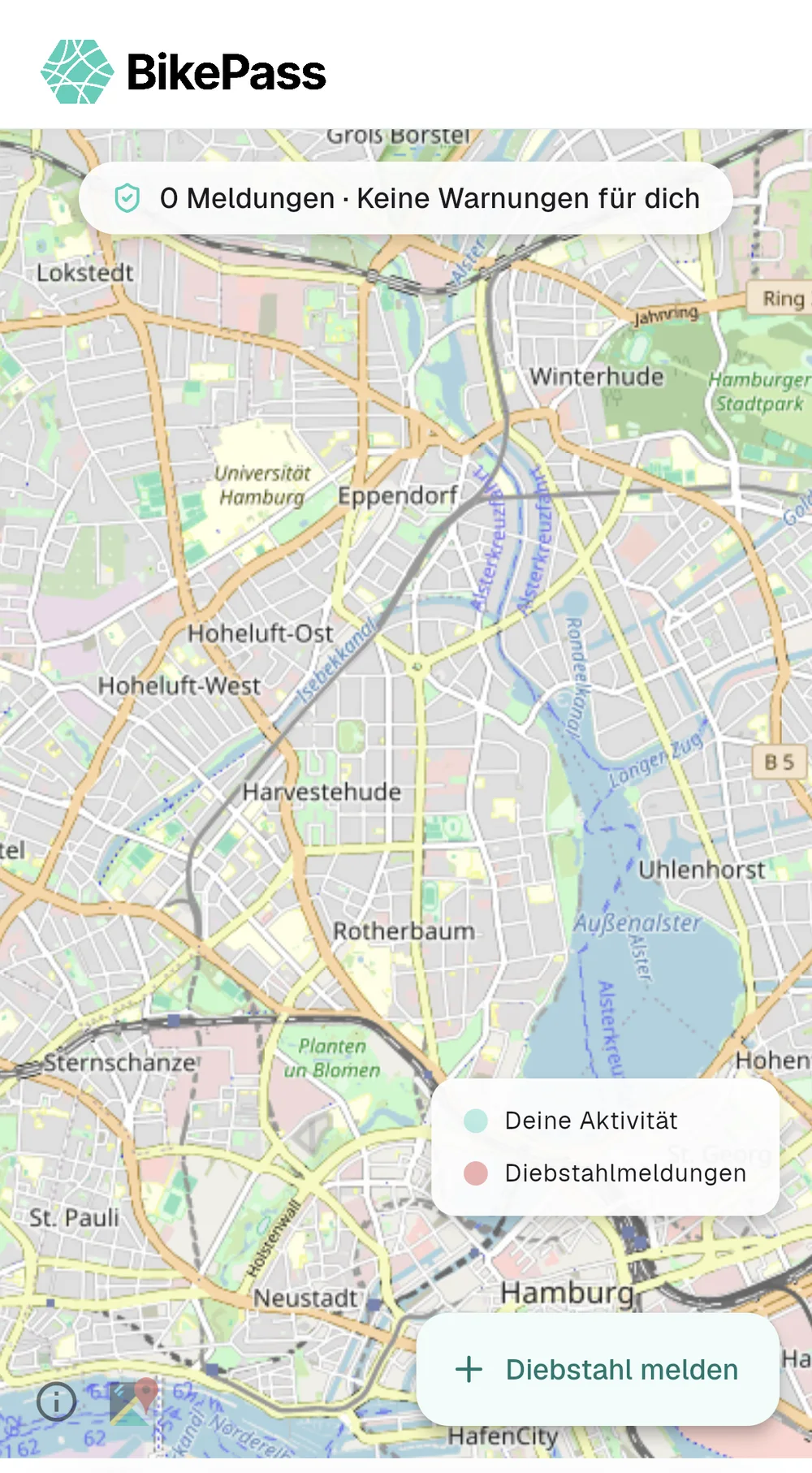
With BikePass, you can register your e-bike’s frame, battery, and motor numbers, as well as photos of your e-bike, for free as digital proof of ownership—registration takes less than 3 minutes, is valid throughout the EU, and works for as many bikes as you want.
Your E-Bike Checklist
- Has the location been verified and documented via the manufacturer's app or tracker?
- Should I notify the police instead of driving to the location myself?
- Was a report filed with the frame, battery, and motor numbers?
- Have you checked your home insurance policy for the bicycle clause and the compensation limit?
- Receipts, photos, and all numbers at your fingertips—preferably saved digitally?
We write about bicycle theft, anti-theft coding, and digital theft protection—in a practical way, without scaremongering, and with concrete steps you can take.
View all guides →