In short
Am gefährlichsten sind Bahnhöfe, Innenstädte und Fahrradständer an Hochschulen – am sichersten stehen Räder an belebten, beleuchteten und einsehbaren Orten. Entscheidend ist an jedem Ort dasselbe: fest am Rahmen angeschlossen statt nur abgestellt.
Rund 214.000 Fahrraddiebstähle wurden 2025 bei der Polizei angezeigt, aufgeklärt wird davon nur etwa jeder neunte Fall – rund 11 % (Quelle: Polizeiliche Kriminalstatistik 2025). Ist das Rad erst weg, bekommst du es also selten zurück. Umso mehr entscheidet der Abstellort selbst darüber, ob es überhaupt so weit kommt – nicht erst das Schloss im Ernstfall. Denn nicht jeder Ort ist gleich riskant: An manchen Stellen reicht ein solides Schloss völlig aus, an anderen entscheidet vor allem der Platz selbst, ob dein Rad am Ende noch da steht. Wir zeigen dir für fünf typische Situationen im Alltag, worauf du jeweils achten solltest.
Bahnhof & ÖPNV
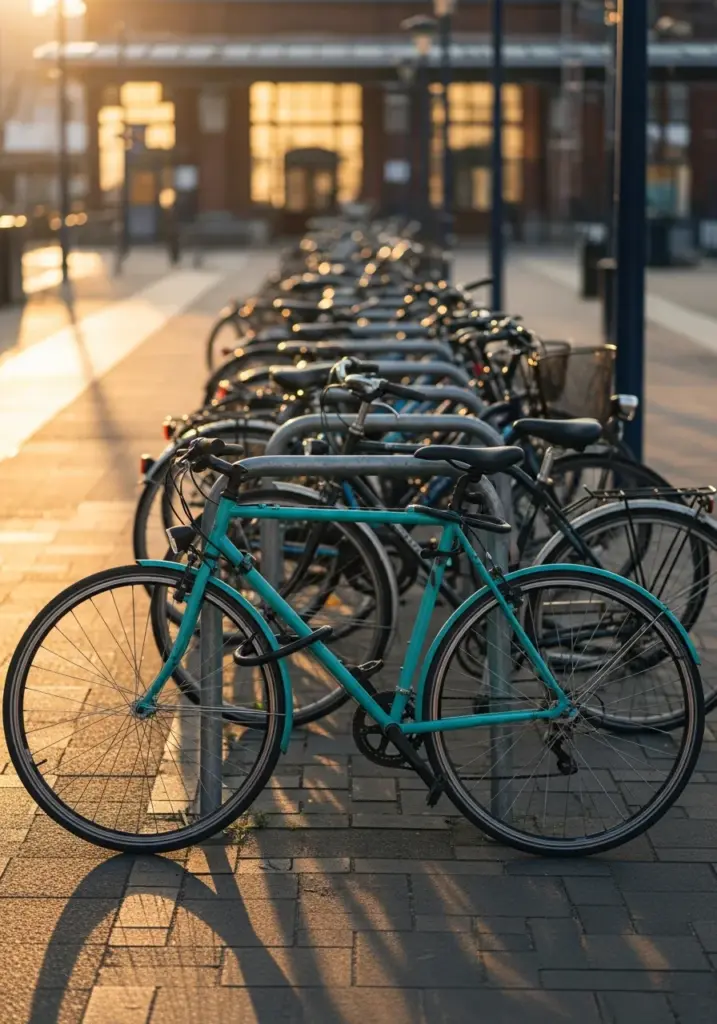
Bahnhöfe zählen zu den gefährlichsten Orten für dein Fahrrad – aus gutem Grund: Hunderte Räder stehen dicht an dicht, der Hochbetrieb durch ein- und aussteigende Pendler bietet Dieben Deckung, und viele Räder stehen dort viele Stunden oder sogar tagelang unbeaufsichtigt.
Wo vorhanden, sind abgeschlossene Radboxen oder Fahrradparkhäuser die sicherste Wahl – sie sind meist nur mit Chipkarte oder Schlüssel zugänglich und oft kameraüberwacht. Gibt es das an deinem Bahnhof nicht, wähle einen Platz möglichst nah am Eingang oder in Sichtweite von Personal und Kameras, statt in der hintersten Reihe eines wilden Fahrradbergs zu landen. Wie du dein Rad dabei richtig sicherst, zeigt unser Ratgeber „Fahrrad richtig abschließen".
Ein weiterer Punkt: Steht dein Rad regelmäßig für mehrere Tage am selben Bahnhof – etwa während einer Dienstreise oder eines Urlaubs –, ist das Diebstahlrisiko noch einmal deutlich höher als bei ein paar Stunden tagsüber. Frag in diesem Fall gezielt nach Dauerstellplätzen oder bewachten Bereichen, statt das Rad einfach am gewohnten Platz stehen zu lassen.
Uni & Schule
An Hochschulen und Schulen liegt das Problem woanders: Die Fahrradständer sind zu Stoßzeiten oft überfüllt, und die Räder stehen anschließend sechs, acht oder mehr Stunden am selben Fleck – ein Zeitfenster, das sich Dieben kaum irgendwo sonst so verlässlich bietet.
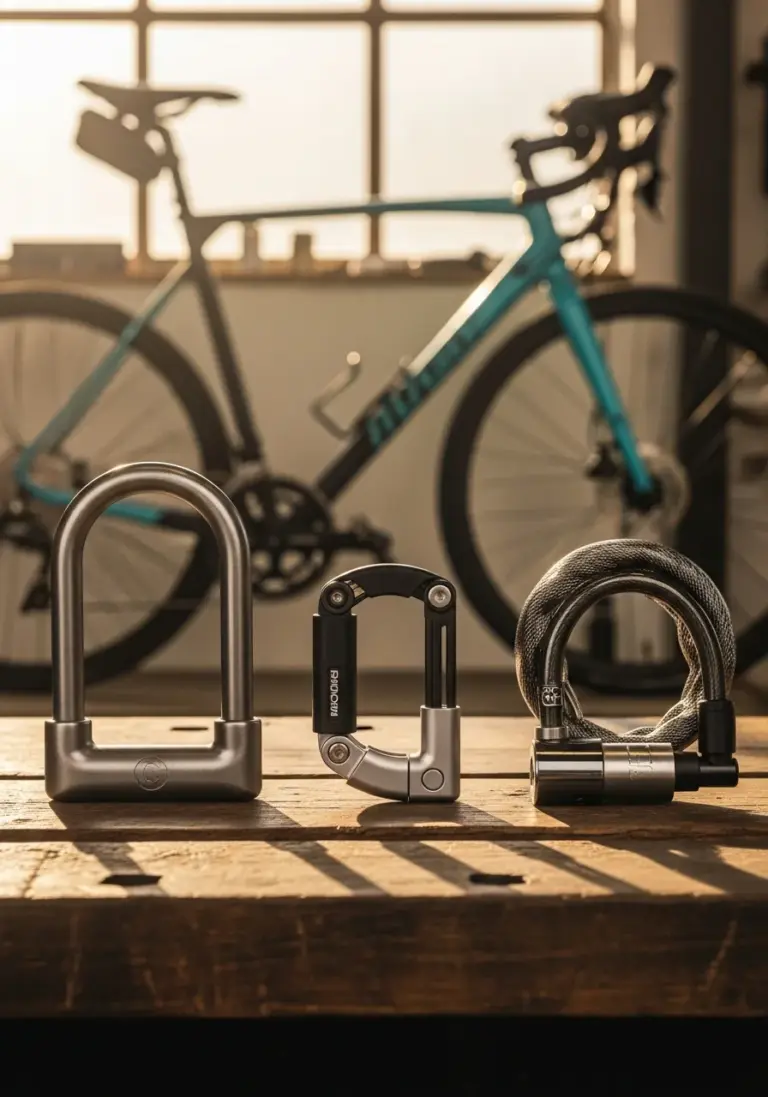
Genau diese lange Standzeit macht ein zweites, unabhängiges Schloss sinnvoll: Ein einzelnes Kabelschloss hält oft nur Sekunden, in Kombination mit einem robusten Bügel- oder Kettenschloss steigt der Aufwand fürs Aufbrechen erheblich. Wie sich Schlossarten in Sicherheit und Aufbruchzeit unterscheiden, vergleicht unser Ratgeber „Fahrradschlösser im Vergleich".
Hinzu kommt: An denselben Ständern parken jeden Tag dieselben Räder – Dieben fällt schnell auf, welches Rad wertvoll aussieht und welches Schloss schwach ist. Wechsle deshalb nicht nur das Schloss, sondern wenn möglich auch mal den Stellplatz, statt dich auf eine feste Routine zu verlassen.
Innenstadt & Einkauf
„Ich bin doch nur kurz drin" ist einer der häufigsten Sätze vor einem Fahrraddiebstahl. Kurz heißt für Diebe vor allem: unbeobachtet – und das reicht oft schon aus. Kurz ist eben nicht gleich sicher, auch fünf Minuten vorm Bäcker verdienen dieselbe Sorgfalt wie eine ganze Shoppingtour.
Wähle deshalb belebte Plätze mit Sichtachsen: Stell dein Rad dort ab, wo Passanten, Schaufenster oder Straßencafés freie Sicht auf den Abstellort haben – nicht in der Seitengasse hinterm Gebäude oder in dunklen Ecken von Parkhäusern. Gerade in Parkhäusern lohnt sich ein Blick auf die Etage: Ebenen nah am Ein- und Ausgang mit viel Publikumsverkehr sind unattraktiver für Diebe als leere, abgelegene Ecken weiter oben.
Tipp: Schließ dein Rad – egal an welchem Ort – immer am Rahmen an, nie nur am Vorder- oder Hinterrad. Schnellspanner lassen sich in Sekunden lösen, der Rahmen bleibt sonst ungesichert zurück.
Zuhause, Keller & Hof
Zuhause wirkt die Gefahr subjektiv am geringsten – ein zweiter Blick lohnt sich trotzdem. Ein verschlossener Keller, eine abgeschlossene Garage oder ein eigener Fahrradraum zählt in der Regel zum Hausrat: Wird dort bei einem Einbruch ein Rad gestohlen, greift meist die normale Hausratversicherung, ohne dass du eine Zusatzklausel brauchst. Details dazu und wo die Grenzen liegen, erklärt unser Ratgeber „Hausratversicherung & Fahrraddiebstahl".
Im offenen Hof, im nicht abschließbaren Gemeinschaftskeller oder im Treppenhaus gilt dieser Schutz nicht automatisch – und genau diese Schwachstellen kennen Diebe. Schließ dein Rad deshalb auch drinnen an einen festen Punkt an, statt dich allein auf die verschlossene Tür zu verlassen. Besonders in Mehrfamilienhäusern mit vielen Parteien und häufig wechselndem Publikum ist das kein überflüssiger Aufwand: Ein Schlüssel oder Code, der einmal in die falschen Hände gerät, öffnet sonst gleich den ganzen Kellerraum.
Unterwegs & auf Reisen
Auch auf Reisen bleibt der Abstellort entscheidend. Beim Autotransport reicht der Träger allein nicht: Sichere dein Rad zusätzlich mit einem Schloss gegen Diebstahl an Rastplätzen, denn vom Heckträger lässt es sich oft in wenigen Handgriffen lösen. Im Zug gilt dasselbe – nutze, wo vorhanden, die Fixierung im Fahrradabteil und schließe dein Rad zusätzlich an.
Im Hotel frag am besten schon bei der Buchung nach einem abschließbaren Fahrradraum oder einer Garage – viele Häuser bieten das an, auch ohne es aktiv zu bewerben. Steht keine sichere Option zur Verfügung, gilt dieselbe Regel wie überall: belebter, einsehbarer Platz statt Hinterhof, und das Rad fest angeschlossen. Wer ohnehin über ein neues Schloss nachdenkt, findet einen Überblick über typische Schwachstellen in unserem Ratgeber „Fahrradschloss knacken – so schützt du dich".
Und selbst im Urlaub gilt: Ein fremder Ort bedeutet nicht automatisch ein höheres Risiko – solange du die gleichen Grundregeln anwendest wie zu Hause. Nimm dir gerade an unbekannten Orten die zusätzliche Minute, um einen wirklich passenden Abstellplatz zu finden, statt das Rad aus Bequemlichkeit an der ersten Laterne anzuschließen.
Deine Abstellorte-Checkliste
- Rad grundsätzlich am Rahmen angeschlossen, nie nur am Laufrad?
- Am Bahnhof: Radbox oder Fahrradparkhaus genutzt oder Platz nah am Eingang gewählt?
- An Uni oder Schule bei langer Standzeit: zweites Schloss dabei?
- In der Stadt: belebter, einsehbarer Platz statt Seitengasse gewählt?
- Zuhause: Keller oder Garage abgeschlossen und Rad zusätzlich angeschlossen?
- Unterwegs: Transport- und Hotel-Situation vorab geklärt?
We write about bicycle theft, anti-theft coding, and digital theft protection—in a practical way, without scaremongering, and with concrete steps you can take.
View all guides →