In short
GPS trackers determine their location via satellite and transmit it to an app via cellular networks—key factors include battery life, a good hiding spot, and ongoing costs (SIM card/subscription). Bluetooth tags, such as AirTags, on the other hand, can only be located using nearby third-party smartphones.
“I do have a tracker on it”—this statement only makes sense if you’ve first understood how the technology behind it works. A GPS tracker isn’t a magic chip that invisibly pins your bike to a screen; it’s a small device with its own battery, its own SIM card, and its own limitations. If you know this, you’ll make a more informed purchase, hide it more effectively, and won’t be disappointed when it really counts.
How Location Tracking Works Technically
A real GPS tracker receives signals from satellites and uses them to calculate its position—just like a car navigation system or a smartphone. It then sends this position via its own SIM card over the cellular network to a server, which you can access through an app. That’s exactly why GPS tracking works almost anywhere there’s cell service and provides a relatively accurate location—even if no one is nearby.
Bluetooth tags such as Apple AirTags or similar network tags work fundamentally differently: They only transmit a weak Bluetooth signal over a short distance. Only when a nearby smartphone with an active location network passes by does that device anonymously relay the tag’s location. Without other smartphones in the vicinity—such as in rural areas or when the bike is hidden—the tag remains silent. As a result, Bluetooth tags do not require their own SIM card and are correspondingly cheaper to maintain.
For you, this means: A GPS tracker provides more up-to-date, more reliable location data, but incurs ongoing costs for the SIM connection. A Bluetooth tag is usually less expensive, but its effectiveness depends on the number of nearby smartphones.
What Types of Designs Are Available?
GPS trackers for bicycles come in various forms, each designed for a specific hiding place:
- Taillight Tracker: The tracker is built into a working taillight. This makes it inconspicuous, because a taillight on a bike doesn’t raise any eyebrows—but at the same time, that’s exactly the first place experienced thieves will look.
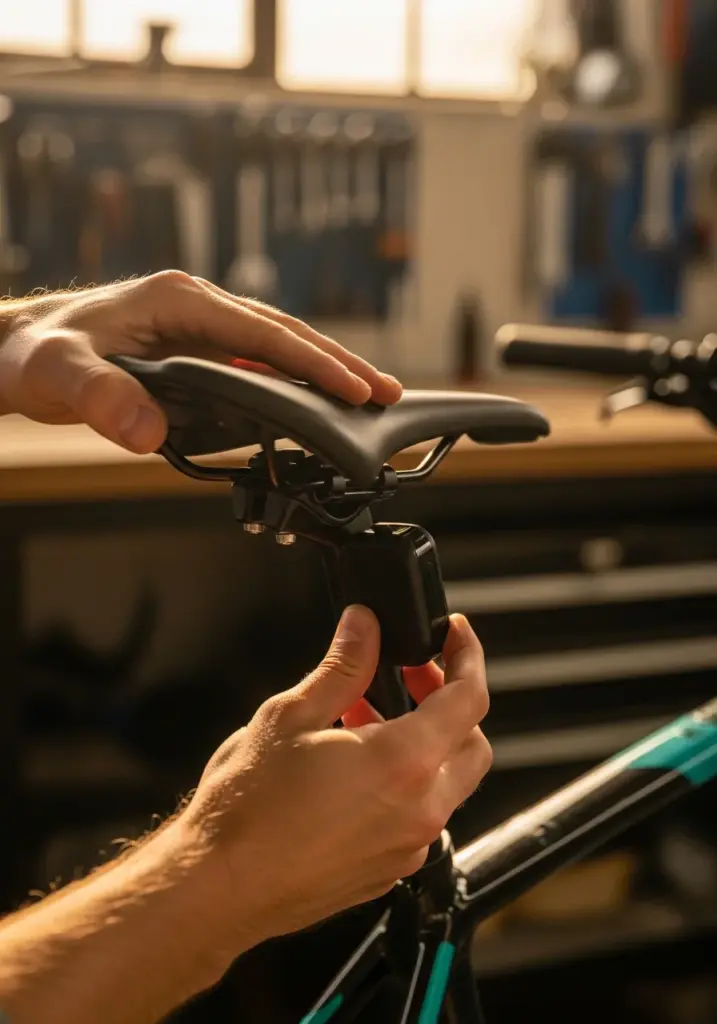
- Frame or head tube modules: Small, usually cylindrical trackers that are hidden inside the frame—for example, in the seat tube or head tube. Nothing is visible from the outside, but installation is more complicated and, in some cases, requires tools.
- Bottle Cage Mount: A tracker that is screwed into place under the bottle cage, like a bracket or adapter. It’s inconspicuous as long as no one looks too closely, but it’s generally accessible from the outside.
With e-bikes, there’s another option to consider: Some drive systems come with their own tracking features. You can read more about the unique features of e-bikes on our page dedicated to e-bike theft protection.
What You Should Keep in Mind
Before you decide on a model, it's worth considering a few factors that really matter in everyday life:
- Battery life. A tracker is useless if its battery dies just when you need it. How long a device lasts on a single charge depends heavily on how often it transmits its location—more frequent transmissions drain the battery faster.
- Subscription or SIM costs. With genuine GPS trackers, in addition to the purchase price, there is usually a recurring fee for the SIM connection. The amount of this fee and whether it is billed monthly or annually varies by provider—be sure to factor these costs into your budget from the start.
- Network coverage. Without cellular reception, the tracker cannot transmit its location. As a result, tracking may be interrupted in underground parking garages, basements, or remote areas.
- Theft alarm and motion sensor. Many trackers use a motion sensor to detect when the bike is moved unexpectedly and immediately send you an alert—a clear advantage over simple tracking without an alarm function.
- Water resistance. A bike is left outside in all kinds of weather. Make sure the tracker is designed for long-term outdoor use.
The Best Hiding Places
A tracker is most effective when it does two things at once: it’s discreet and difficult to remove. Obvious spots like a rear light that’s screwed on or a visible extra box on the frame are exactly the places where experienced thieves look first—especially if they know that trackers exist.
Hiding spots inside the frame—such as in the seat tube under the saddle or in the head tube—are much harder to find and remove; in those cases, you’ll need tools and time just to get to the tracker at all. Solutions that are firmly glued in place or screwed in from the inside are also preferable to a simple clip-on mount. As a general rule: The more steps and tools required to remove the tracker, the more likely it is to go unnoticed on the bike—and the less worthwhile it is for a thief to even bother looking for it.
Tip: Make a note of exactly where the tracker is located and how it's attached. It may sound trivial, but it helps a lot when you need to find it again months later to change the battery or check on it.
When the tracker goes off
If the app reports an unexpected movement or an unfamiliar location, the first step is to stay calm and document the location along with the timestamp —preferably as a screenshot taken directly from the app. You’ll need this information right away for the police.
Next, notify the police and provide them with the tracked location. Under no circumstances should you go there yourself to retrieve your bike on your own—what may seem like a simple retrieval can end in a dangerous confrontation, and legally, you’ll quickly find yourself on thin ice . To learn how to properly proceed when you’ve located your bike and get it back safely, read our guide “Finding a Stolen Bike.”
Also important: Track only your own bike. Tracking other people or vehicles without their consent is not permitted.
Limitations of a GPS Tracker
A GPS tracker is a useful tool, but it doesn’t provide complete protection. A dead battery can silence it at the crucial moment, a dead zone can interrupt the transmission, and professional thieves specifically search high-end bikes for hidden transmitters—sometimes using their own receivers. So a tracker is no guarantee that a stolen bike will be recovered.
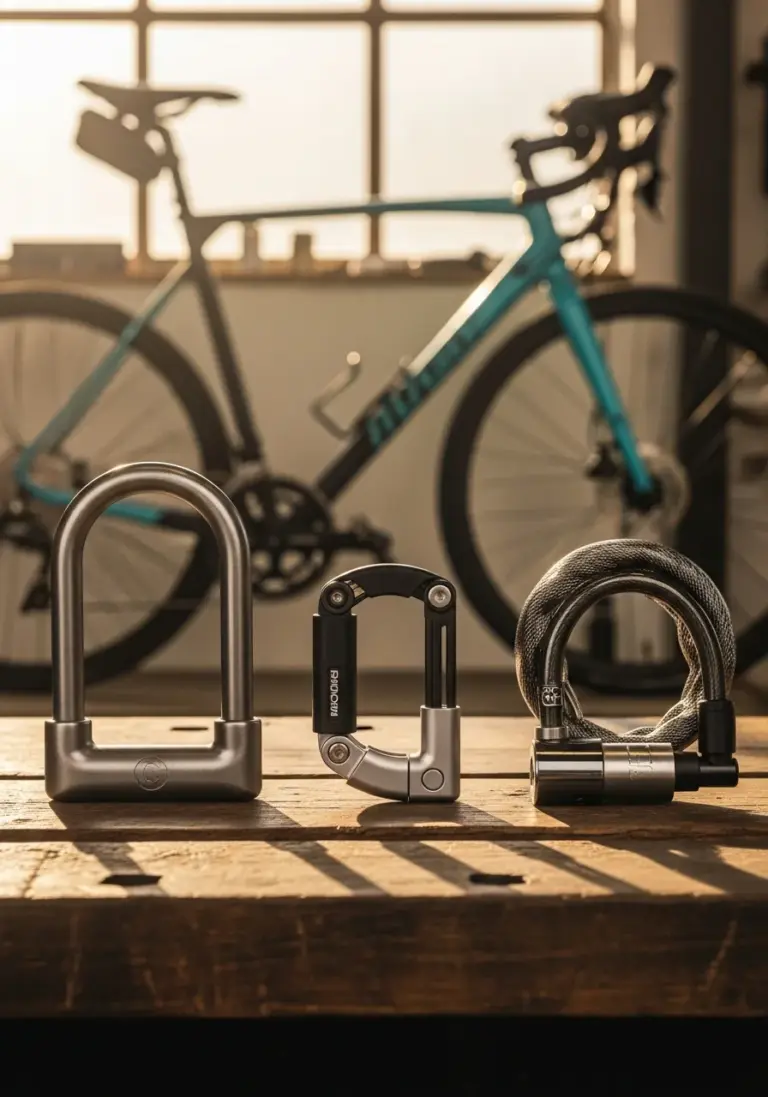
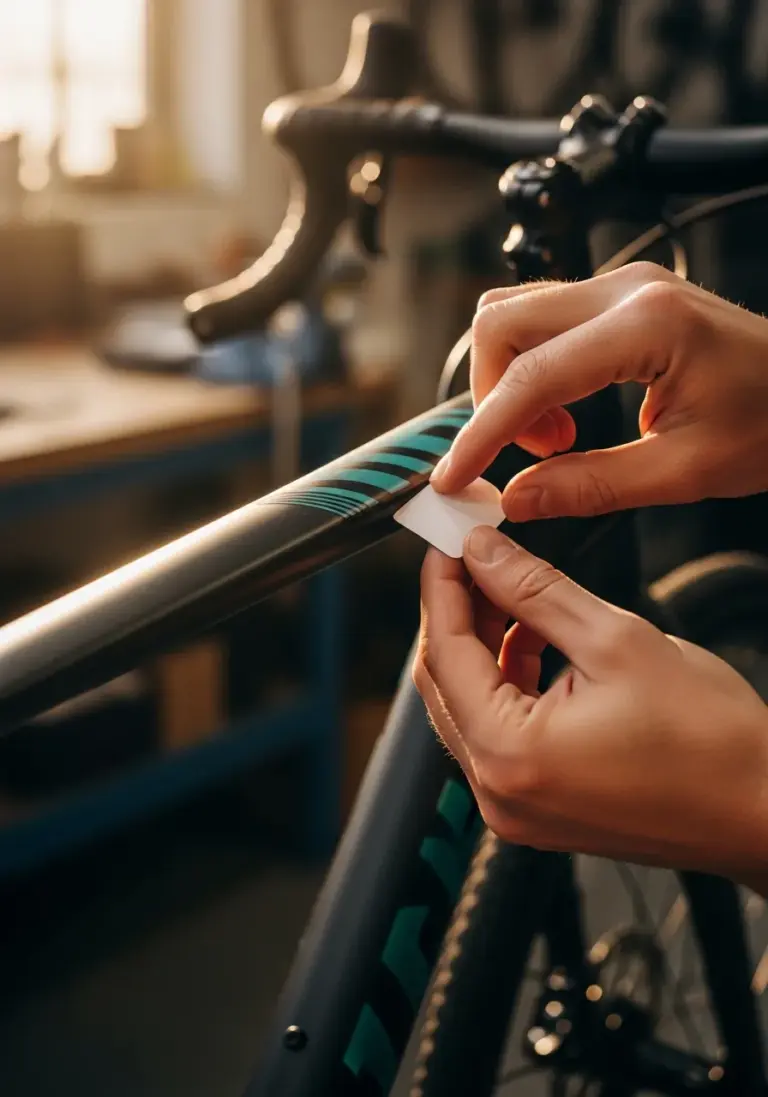
That’s why a GPS tracker isn’t a substitute for a good lock or proper registration of your bike—it complements both. You can find more information about a comprehensive approach combining a lock, safe habits, and technology in our guide to bike theft prevention. And if, despite all your precautions, the worst does happen: Our article “E-Bike Stolen—What to Do?” explains exactly what to do, especially if your e-bike is stolen .
Your Tracker Checklist
- Understanding the Difference Between GPS Trackers and Bluetooth Tags
- Battery life and transmission interval of the model tested
- Calculated ongoing subscription/SIM costs
- Chose an inconspicuous, hard-to-reach hiding place
- Motion Alert enabled in the app
- Lock and registration used in addition to the tracker
We write about bicycle theft, anti-theft coding, and digital theft protection—in a practical way, without scaremongering, and with concrete steps you can take.
View all guides →